Recognizing the first signs
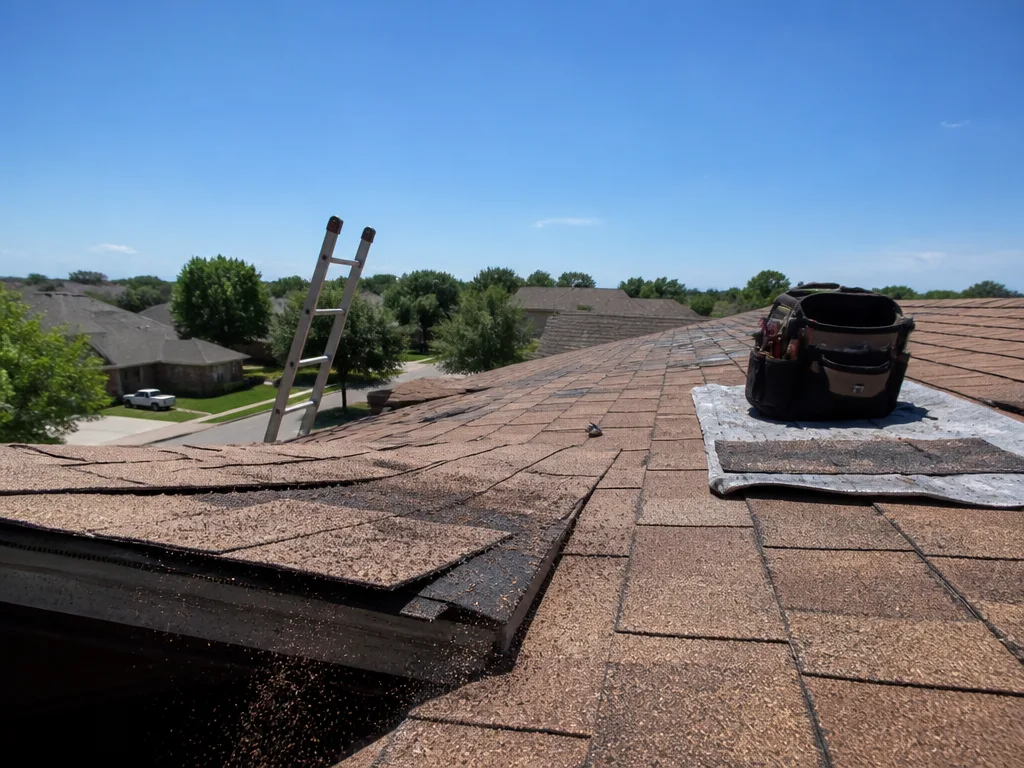
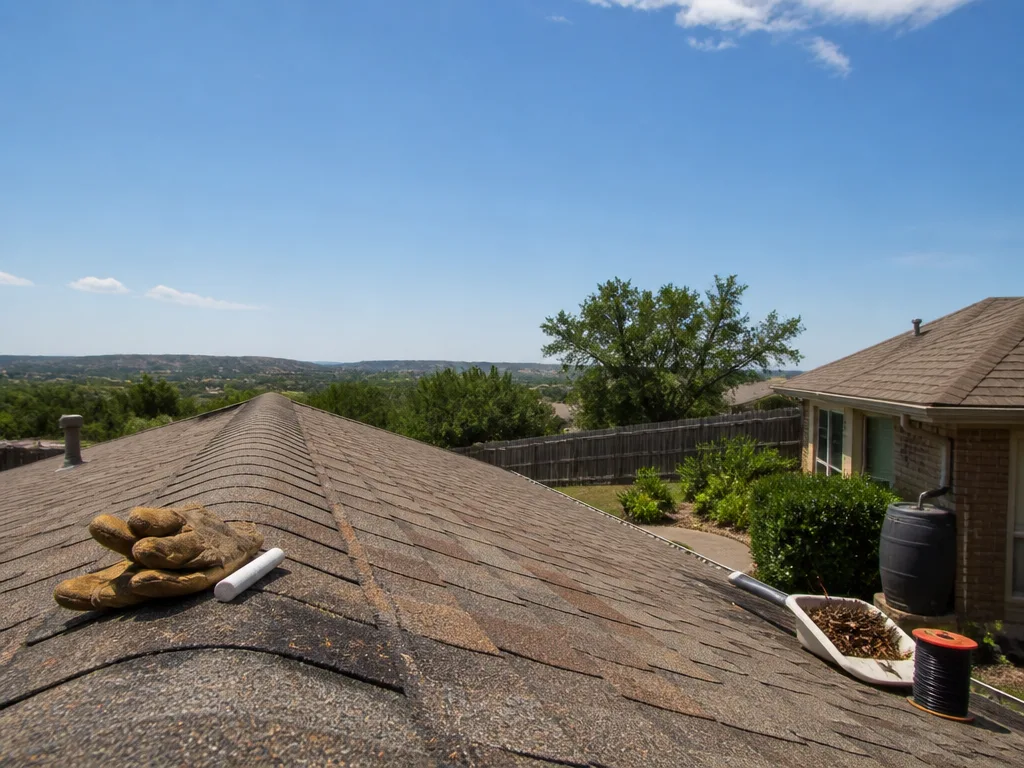
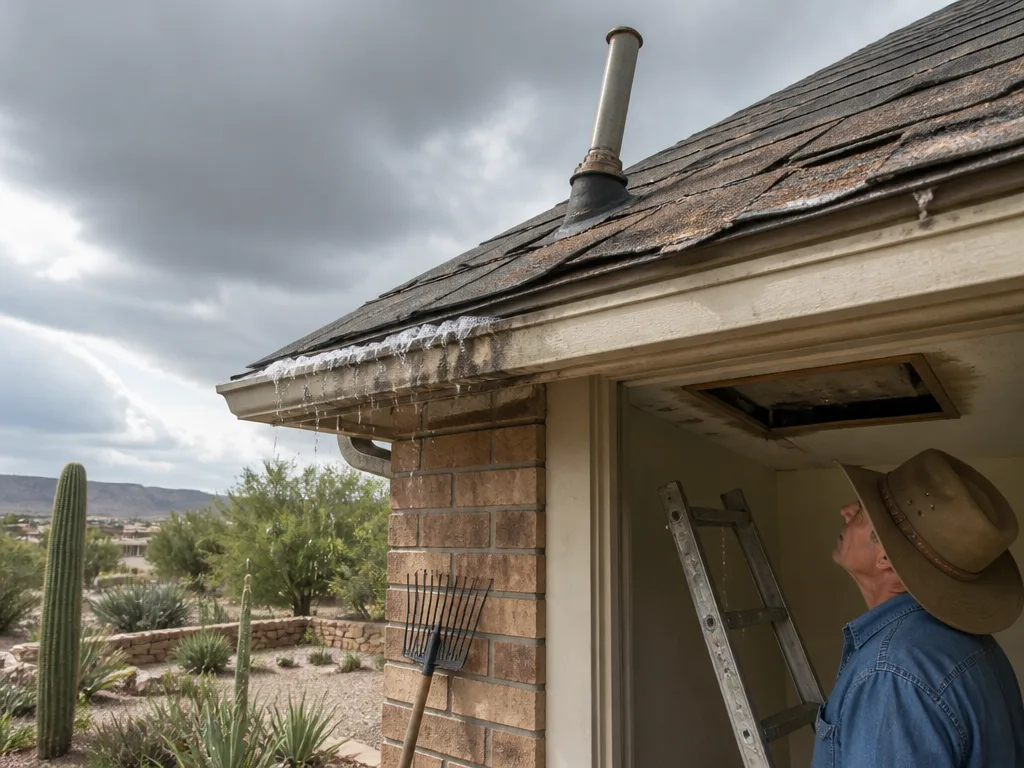
Across Texas, a roof that shows wear often gives off telltale signals long before leaks appear. Look for curling or missing shingles, granules in gutters, and dark spots on ceilings after rain. These are red flags that a roofer should inspect. In Texas, weather swings from heat to hail can strain materials, so catching wear early matters.
When you notice a shingle edge lifting or a ridge vent that sounds loose in a wind gust, it’s time to call our team. A small issue today can become a larger repair tomorrow if left alone, especially with Texas wind patterns and summer storms that can drive faster wear than you’d expect.
What a Texas roof and sun exposure can do
The sun in Texas can bake roof surfaces, accelerating brittleness in asphalt shingles and reducing the life of protective coatings. In the panhandle or along the gulf coast, heat and humidity stress differ but both add up. If you see spongy feels when you walk the attic or soft spots on the roof deck, that’s a sign moisture has breached layers.
Aging roof decks can also lead to attic condensation and mold growth if ventilation isn’t doing its job. Our crews in Texas work to identify moisture sources, reassure homeowners, and map out a plan for repair or replacement using materials suited for Texas climates.
What to do next
Document the signs with photos and notes about when you first noticed them. Schedule a no-pressure inspection with Texas Roofing Industrial and Residential to get an honest assessment of whether you need minor repairs or a larger project. We’ll explain options in plain terms, show you what we find, and help you plan for Texas weather ahead.
Key questions to ask a roofer
- What is causing this issue and how will you fix it?
- Do you see any underlying moisture or ventilation problems?
- What materials do you recommend for Texas summers and storms?